
Tools for the Artisan Lifestyle
A curated collection of guides for grocery shopping, gear acquisition, and daily habit architecture. We focus on the high-spec essentials that sustain a life of discipline.
The Pantry
Architecture
The environment you curate dictates the choices you make. A high-performance lifestyle is not built on willpower, but on an environmental audit that removes friction and focuses on raw, whole staples.
Core Principles
- Minimalist ingredient lists
- Whole food volume focus
- Seasonality over convenience

Bulk Procurement
Invest in high-turnover staples like ancient grains, raw nuts, and cold-pressed oils. Purchasing in volume reduces waste and ensures the foundation of every meal is readily available.

Perimeter Strategy
Navigate the grocery store by sticking to the outer walls. This is where fresh produce, quality proteins, and living foods reside. Avoid the central aisles where processed items are engineered for shelf-life.
View StrategyRead Between the Lines
Marketing claims are designed to distract. Learn the skill of decoding lists to find hidden sugars and inflammatory oils. We prioritize transparency and simplicity in every item we recommend.

Environmental Integrity
Your home is the primary architecture for your habits. We believe in creating a "Sleep Sanctuary" and a "Movement Corner" that don't require massive renovations, but rather a sharp focus on light, temperature, and spatial discipline.
Effective gear is not about flashy technology; it's about tactile quality and longevity. Whether it's the weight of a linen sheet or the resistance of a natural latex band, the texture of your tools influences the consistency of your practice.
"Consistency thrives in environments where decisions are pre-made by the architecture of the room."

The Sanctuary Setup Adjusting environmental stimuli is the first step toward restorative sleep hygiene.
The Functional Kit
Movement Basics
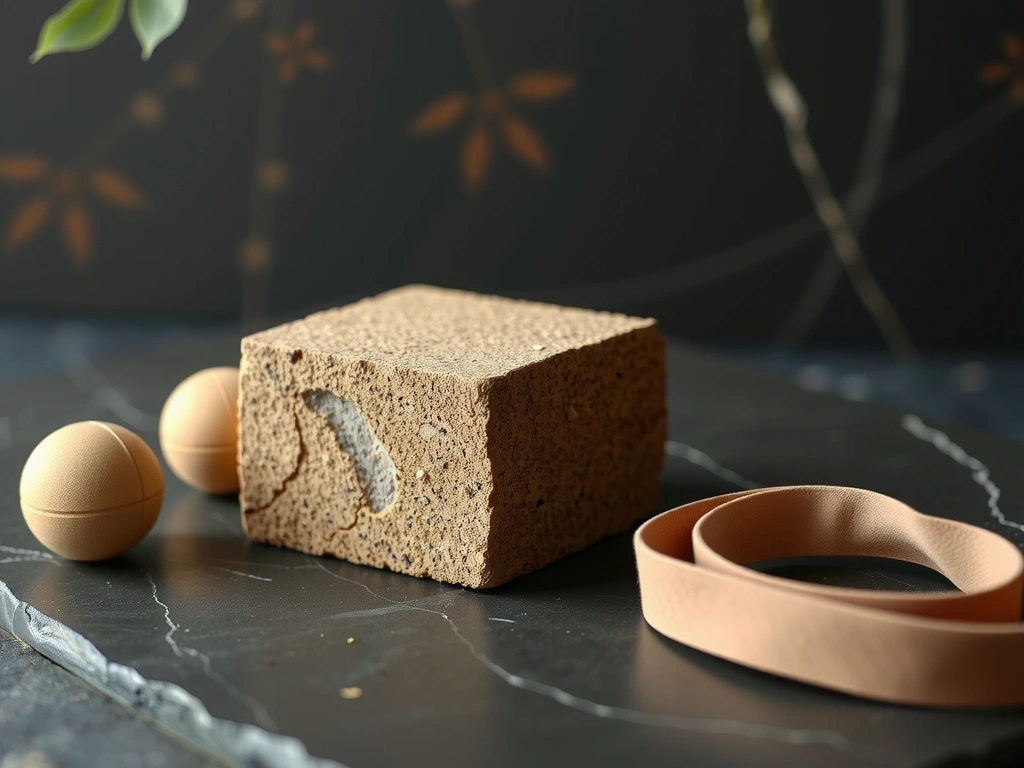
Natural latex bands and cork blocks provide superior tactile feedback compared to synthetic alternatives.
Resource Guide v4.2
The Hydration Station
Setting a visual anchor for water intake at your workspace reduces cognitive load and ensures consistent ritual adherence.
Desk Audit Checklist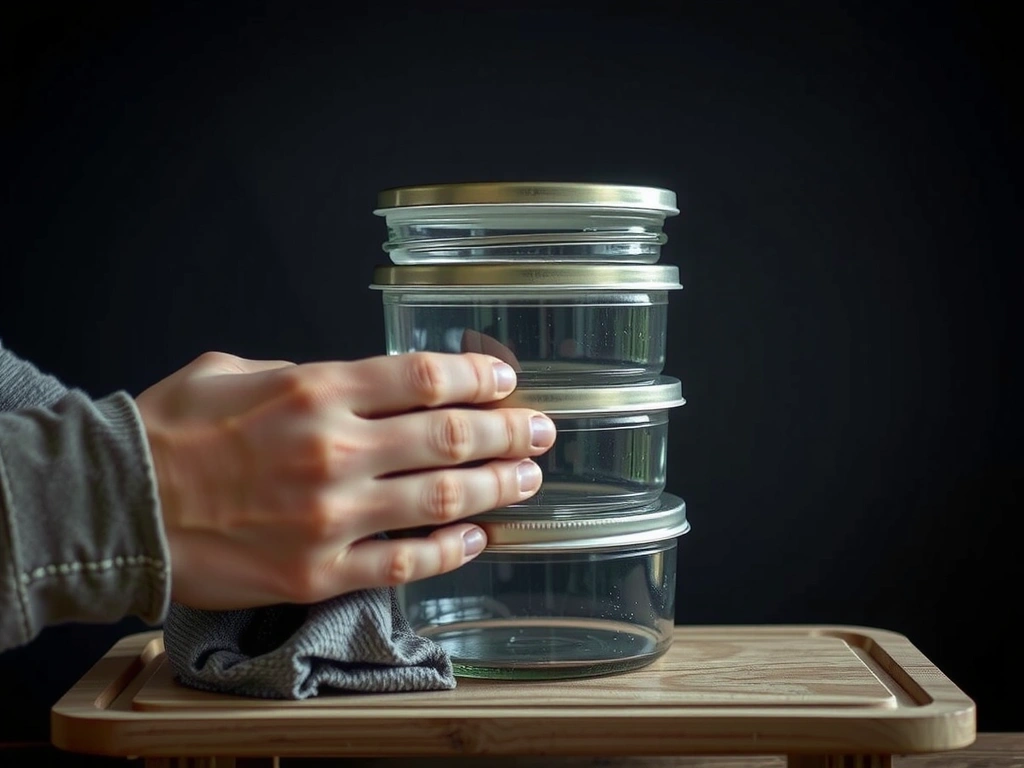
Safe Infrastructure
Eliminating plastics from the kitchen cycle minimizes chemical exposure. Stainless steel and glass are the artisan standards.
Kitchen Materials Audit
Active Logistics
Transitions between activity and work require breathable, high-performance fabrics that respect environmental boundaries.
Traveler's KitThe Habit Stack Protocol
Audit the Environment
Remove the friction of choice. Identify the "Modern Defaults" in your kitchen and workspace that lead to mindless consumption. Replace them with visual anchors for high-value staples.
Implement Seasonal Rhythms
Refer to our Seasonal Produce Calendar. Choose movement types and ingredients that align with the natural clock, reducing the energy required for consistency.
Anchor with Ritual
Use the Morning Ritual Blueprints to weave intention into the first 20 minutes of your day. This isn't about complexity, but the repetitive texture of disciplined action.
Sustainable Mastery
True change is a byproduct of geographical awareness and sourcing integrity. We don't believe in "magic solutions" or "shortcuts." We believe in the slow, rhythmic quality of habits built on raw, sustainable foundations.
When choosing staples or gear, prioritize the 12-month sustainability of the practice over short-term intensity. If the routine causes more stress than it relieves, it requires refinement.
Quality fat vs Calories
Longevity vs Trend
Stability vs Load
Focus vs Distraction
Architecture for Better Living.
Every resource we share is vetted for durability, environmental consciousness, and biological respect.